19 Oct 2026
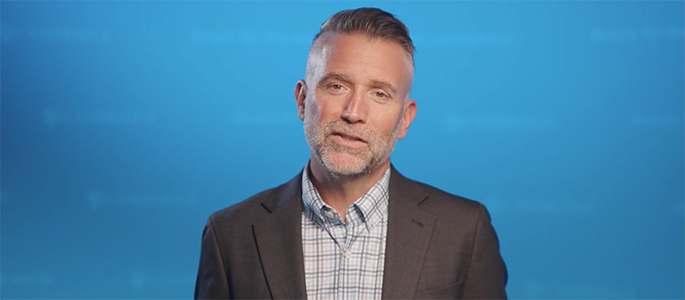
Executive functions are the strongest predictor of success we have as human beings, according to Mitch Weathers, Author and CEO, Organized Binder, who gave the opening keynote at the Cambridge Schools Conference Online (19–22 October). He told educators that because these skills, such as self-management, can be developed, their teaching in this area could have a lifelong impact on students.
"Strong executive functions indicate an individual has a greater chance of graduating, moving out of their parents' house, living on their own, getting a job, keeping a job, making friends, keeping friends, paying their bills on time, staying relatively healthy and living a positive and productive life," said Mitch, an internationally recognised voice on executive functions in the classroom. In the classroom this means being able to pay attention, manage time, get organised and complete tasks. A perfect word to define this, said Mitch is "studentness". "What I see is a young person with a sense of agency about them, and a sense of dexterity in their learning."
Executive functions: the driver of self-management
Executive functions drive self-management. "Self-management skills are the behaviours that we would want all students to have in the classroom," said Mitch. Creating the right environment for self-management is key, this can be through reducing or even removing temptations or distractions or ambiguity from students while simultaneously increasing automaticity.
Distractions can increase cognitive load, impacting working memories. "What we know about working memory is that although it's active, it's also finite. If I'm using any of my working memory capacity for anything that doesn't directly contribute to learning, then I'm using it for something else," he said.
Clarity, modelling and routine
The good news is that executive functions and self-management skills can be taught and improved at any age with practice. "They're best learned when students see them clearly modelled. Practising them is a byproduct of engaging in a predictable routine. The three keys of higher order executive functions are clarity, modelling and routine, which are loosely defined as planning, reasoning and problem solving."
In any given classroom, there are going to be students whose executive functions are less developed than others, as well as neurodiverse students and those for whom English is not their first language. Mitch outlined ways that an environment can be created to better support executive functioning for all students, including tips such as using identical binders so students all have the same routine.
When it comes to executive functions in the classroom teachers may think, "where am I going to fit this in?", but they need not worry says Mitch. "Teachers report back that once this is in place, they actually find that they have more time for teaching and learning."
As a final message to teachers, he recommended bringing families into the process. "Families love to see their students start to develop these self-management skills," he said.
Join the conference
Watch Mitch’s full keynote video.
The Cambridge Schools Conference Online runs until Thursday 22 October and is free to attend. Building on insights from our 'Preparing learners to thrive in a changing world' research, the conference explores how knowledge and skills, self-management and communication and interpersonal skills can help learners navigate future opportunities and challenges. Mitch will also be running a session on Executive functions for every classroom: creating safe and predictable learning environments on Thursday 22 October, covering ways to support the development of executive functions in the classroom.